GlycoBarrier Reviews: What This Liquid Blood Sugar Formula Contains and What to Realistically Expect
By the Green Equilibrium Editorial Team · Updated October 2026
Disclosure: this article contains affiliate links. If you buy through them, we may earn a commission at no extra cost to you. It does not change what we write.
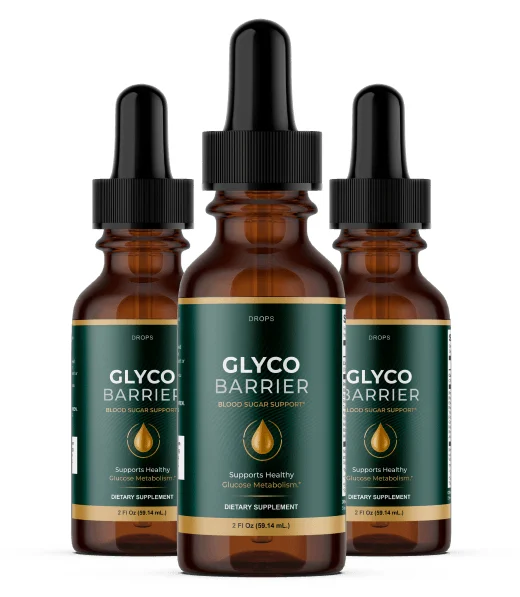
GlycoBarrier at a Glance
| Form | Liquid drops — 1 mL (about 2 droppers) twice a day; 2 fl oz bottle lasts about 30 days |
| Core ingredients | Chromium picolinate plus a 200 mg blend of 20 botanicals, including gymnema, maca, coleus, green tea, cayenne, ginseng and astragalus |
| Made in | Not stated; the site says GMP certified, non-GMO and doctor formulated |
| Guarantee | 60-day satisfaction promise from the purchase date (RMA and return required) |
| Shipping (US) | Free on 3- and 6-bottle bundles; confirm the 2-bottle cost at checkout |
| Main caution | Not a diabetes treatment — if you take insulin or glucose-lowering drugs, talk to your doctor first |
A fasting glucose of 105 on a routine blood test, a doctor using the word prediabetes, or just a mid-afternoon crash after every lunch — these are the moments that send people searching for blood sugar supplements. The CDC estimates that more than one in three American adults has prediabetes, and most of them do not know it, so the interest is understandable.
GlycoBarrier is one of the products competing for that attention. Unlike most blood sugar formulas, it is a liquid taken with a dropper twice a day, built around chromium and a large blend of herbs. Below we look at what the official website actually says about the formula, how its claims compare with the research on each ingredient, who needs to be careful, and what the price, shipping and refund terms are.
One point first, because it matters more than anything else on this page: GlycoBarrier is a dietary supplement, not a diabetes treatment. It is not a substitute for metformin, insulin or any prescribed medication, and nobody should change their treatment because of it.
→ See the full GlycoBarrier formula on the official website
What Is GlycoBarrier?
GlycoBarrier is sold online as a daily metabolic-support formula for adults who want to keep blood sugar in a healthy range, with the brand linking that to steadier energy and fewer sugar cravings. It comes in a 2 fl oz (59.14 mL) dropper bottle labeled "Blood Sugar Support" and "Supports Healthy Glucose Metabolism". Each bottle holds 60 servings, which is a 30-day supply at the suggested dose of 1 mL twice a day.
The website describes the formula as doctor formulated, non-GMO and GMP certified. It does not name the doctor, does not say in which country the product is made, and does not mention an FDA-registered facility. Returns go to a fulfillment center in Aurora, Colorado.
Like every dietary supplement, GlycoBarrier has not been evaluated by the FDA for effectiveness before sale, and its site states that it is not intended to diagnose or address any disease.
How GlycoBarrier Is Said to Work: Claims vs Evidence
The brand's pitch is straightforward: a precise liquid formula, taken consistently every day, helps the body keep glucose steady from morning to night, which in turn means fewer energy crashes after meals and easier control of cravings. It also says a liquid absorbs faster than a capsule.
Here is how those ideas hold up:
- Two ingredients have real human data. Chromium and gymnema are the most studied plant and mineral options for glucose metabolism. The results are small and inconsistent, but they exist.
- Most of the blend is not about blood sugar. Maca, cayenne, coleus, astragalus and green tea are mainly marketed for energy, thermogenesis or general wellness, not for glucose control.
- The doses are too small to judge. Twenty botanicals share a 200 mg blend, which averages about 10 mg per herb if split evenly. Studies of gymnema typically use hundreds of milligrams a day. Because individual amounts are not disclosed, there is no way to tell whether any herb is present at a researched dose.
- No study of the finished product is cited. The site's reference page lists studies on individual ingredients only, and states this itself. Notably, several of those studies concern ingredients — berberine, curcumin, garcinia, cinnamon and dietary fiber — that are not among the ingredients named on the sales page, so check the label on the bottle you receive.
- The absorption claim is unproven. No product-specific data is published to show the liquid works better than a capsule.
In other words, judge GlycoBarrier by its ingredient list, not its marketing. That is what the next section does.
GlycoBarrier Ingredients and What the Research Says
The official page names seven key ingredients and says they are part of a larger 20-ingredient blend. None of the amounts, including chromium, are published on the sales page.
1. Chromium Picolinate
Chromium is a trace mineral that appears to help insulin do its job. It is the most common ingredient in blood sugar supplements, and also one of the most debated. The NIH Office of Dietary Supplements describes the research as inconsistent, and a 2016 review in Nutrition Reviews concluded that the evidence for chromium improving glucose control in type 2 diabetes is limited. People who are low in chromium may benefit more, but deficiency is uncommon in the US.
2. Gymnema Sylvestre Leaf Extract
Gymnema is a climbing plant used in Ayurvedic practice, sometimes called "sugar destroyer" because chewing the leaf temporarily blunts the taste of sweetness. A handful of small human studies, mostly older and of limited quality, reported modest improvements in glucose readings. Because it may lower blood sugar, gymnema is one of the ingredients most likely to interact with diabetes medicines.
3. Ginseng Root
Ginseng has been studied for blood sugar more than most herbs. A 2014 meta-analysis found a small improvement in fasting glucose but no meaningful change in HbA1c, the long-term marker doctors rely on. NCCIH notes that ginseng may interact with diabetes medicines and blood thinners such as warfarin.
4. Green Tea Leaf Extract
Green tea extract supplies catechins and some caffeine. Research on green tea for weight and glucose has produced small and mixed results. Concentrated green tea extracts have been linked to rare cases of liver injury, which NIH's LiverTox database documents — another reason to stick to the stated dose.
5. Coleus Forskohlii Root Extract
Coleus provides forskolin, which is marketed mainly for weight loss. The NIH fact sheet on weight-loss supplements describes the human evidence as very limited, based on a few small trials. There is no meaningful evidence for blood sugar specifically.
6. Cayenne Pepper Fruit Extract
Cayenne supplies capsaicin, which can slightly and briefly raise energy expenditure. Its effects on glucose in people are small and inconsistent, and at the likely dose in a shared 200 mg blend, any effect is uncertain.
7. Maca Root and Astragalus Root
Maca is a Peruvian root traditionally used for energy and vitality; astragalus is a traditional Chinese herb used for general wellness. Neither has solid human evidence for blood sugar support, and their amounts in the blend are not disclosed.
Prefer drops to capsules? Check GlycoBarrier's current bundles on the official site.
Visit the Official GlycoBarrier Website →Pros and Cons of GlycoBarrier
Pros
- Liquid format — no capsules to swallow
- Includes chromium and gymnema, the two best-studied ingredients in this category
- Clear serving directions and bottle size
- One-time payment with lower per-bottle prices on larger bundles
- 60-day satisfaction promise and free shipping on 3- and 6-bottle bundles
Cons
- Individual doses are not disclosed, including chromium
- Twenty herbs share just 200 mg, so most are likely present in tiny amounts
- No study on the finished product
- Reference page cites ingredients not named on the sales page
- Refunds require an RMA, a return within 7 days and unrefunded shipping costs
- Country of manufacture not stated
Who Might Consider GlycoBarrier (and Who Should Not)
GlycoBarrier is aimed at adults who:
- are generally healthy and want to add a botanical product to a routine that already includes balanced meals, regular activity and medical check-ups
- have been told their glucose is at the upper end of normal and are working on lifestyle changes with their doctor
- prefer liquid drops to capsules
- understand that the realistic best case for supplements like this is a small effect
Talk to a doctor or pharmacist before using it if you:
- take insulin, metformin, sulfonylureas, SGLT2 inhibitors, GLP-1 medicines or any other glucose-lowering drug — gymnema, chromium and ginseng may add to their effect and raise the risk of low blood sugar (shakiness, sweating, confusion)
- take blood thinners, blood pressure medicines, antidepressants or thyroid medication
- are pregnant, breastfeeding or under 18
- have liver or kidney disease
- are sensitive to caffeine or stimulants
If you have been diagnosed with type 1 or type 2 diabetes, a supplement cannot replace your treatment plan. The American Diabetes Association's Standards of Care state that there is no clear evidence that herbal or mineral supplements benefit people with diabetes who are not deficient. Never stop or reduce a prescribed medicine without your doctor.
Safety and Side Effects
No serious side effects have been publicly reported for GlycoBarrier as a finished product. The official FAQ calls its ingredients generally safe for daily use, while advising anyone with a medical condition or on prescription medicines — especially for blood sugar — to check with a healthcare professional first.
Based on the ingredients, the most likely issues are mild stomach upset, a warm or burning sensation from cayenne, and jitteriness or poor sleep in caffeine-sensitive people from the green tea. The more important risks are low blood sugar when combined with diabetes medicines, ginseng's possible interaction with warfarin, and the rare liver concerns linked to concentrated green tea extract. Stop using it and contact a doctor if you notice dark urine, yellowing skin or eyes, or unusual fatigue. If you check your glucose at home, keep doing so and share any unusual readings with your care team.
How to Use GlycoBarrier
The official directions are 1 mL — about two full droppers — twice a day, once in the morning and once in the evening, with or without food. The site asks users not to exceed this amount and stresses consistent daily use. One bottle lasts about 30 days at this rate.
If you try it, give it a fair test: note your fasting or post-meal readings (if you monitor them) and your energy levels for a couple of weeks before starting, then compare over the following two months. Changes in HbA1c take around three months to show, so your next lab test with your doctor is the most reliable check.
GlycoBarrier Price, Shipping and Guarantee
The official order page lists three bundles, each a one-time payment:
| Bundle | What the official site states |
|---|---|
| 2 bottles (60-day supply) | $158 total ($79 per bottle); shipping terms unclear on the card — confirm at checkout |
| 3 bottles (90-day supply) | $207 total ($69 per bottle), free shipping, 1 bonus |
| 6 bottles (180-day supply) | $294 total ($49 per bottle), free shipping, 2 bonuses |
| Processing | 1-2 business days; ships Monday-Friday, mainly USPS or UPS |
| International | Usually longer; the policy mentions 4-6 weeks in rare cases |
| Guarantee | 60-day satisfaction promise from the purchase date |
The bonuses are not named on the order page. The "original" prices shown crossed out next to each bundle are the brand's own reference figures.
→ Check today's GlycoBarrier price and bundles on the official website
Refund Policy: What the 60-Day Promise Requires
The order page describes a "100% satisfaction" promise. The refund policy page explains the steps, and they are stricter than the headline suggests:
- contact support within 60 days of the purchase date (not the delivery date) with "Refund Request" and your order number;
- complete the refund form to get a Return Merchandise Authorization (RMA) code — returns without one are not accepted;
- ship back all bottles, empty or unopened, and any bonuses within 7 days of receiving the RMA, with the code on the label and a trackable method;
- return shipping is your cost, unless the item was wrong or damaged;
- the product price is refunded to the original payment method; shipping and handling are not refunded, and incomplete returns may get a pro-rated refund or none;
- the company may offer a partial refund without a return, at its discretion.
Practical tip: because the clock starts at purchase, not delivery, decide by around day 45 so you have time to get the RMA and post the package.
What Moves Blood Sugar More Than Any Supplement
It is worth keeping the bigger picture in view. In the landmark Diabetes Prevention Program trial, adults with prediabetes who lost about 7% of their body weight and walked roughly 150 minutes a week cut their risk of developing type 2 diabetes by 58% — more than the group taking metformin. No supplement has come close to that in research.
- a short walk after meals, which helps muscles take up glucose
- meals built around fiber, protein and vegetables, with fewer refined carbs and sugary drinks
- seven or more hours of sleep, since short sleep worsens insulin sensitivity
- regular lab checks (fasting glucose or HbA1c) with your doctor
If GlycoBarrier helps you stay consistent with habits like these, that is a reasonable role for it. If it replaces them, it is unlikely to do much.
GlycoBarrier vs Similarly Named Products
Searches for GlycoBarrier often turn up pages about GlycoBalance, Glyco6, GlycoCare and other "glyco" products. These are different formulas from different sellers, with different ingredients and refund terms. Some review pages also list ingredients such as cinnamon, bitter melon or banaba for GlycoBarrier that the official sales page does not name. When comparing, go by the official GlycoBarrier label and order page, not by a similar-sounding product.
Where to Buy GlycoBarrier
GlycoBarrier is sold through its official website. Listings on marketplaces or unknown sites may be resellers, may have been stored poorly, and are unlikely to be covered by the 60-day promise. Ordering from the official order page is the only way to be sure the stated bundle prices and refund policy apply.
Final Verdict
GlycoBarrier's strongest points are practical: a liquid format, clear directions, the inclusion of chromium and gymnema, and a 60-day promise. Its weak points are just as clear: undisclosed doses, twenty herbs squeezed into 200 mg, no study on the product itself, a reference page that does not fully match the ingredient list, and refund terms that take some effort.
Realistic expectations are everything here. The best-studied ingredients in this formula have shown small and inconsistent effects, so GlycoBarrier is at most a possible addition to diet, activity and medical care — never a replacement. If your doctor confirms it will not clash with your medications, and you keep tracking your numbers, it is a reasonable product to try under its guarantee. If you are on glucose-lowering medication, that conversation with your doctor is not optional.
Frequently Asked Questions (FAQs)
Is GlycoBarrier a treatment for diabetes?
No. GlycoBarrier is a dietary supplement. It is not meant to diagnose or manage diabetes and should never replace insulin, metformin or any prescribed medication.
Can I take GlycoBarrier with metformin or insulin?
Only after speaking with your doctor. Gymnema, chromium and ginseng may add to the effect of glucose-lowering drugs and raise the risk of low blood sugar. The brand itself advises medical guidance for anyone on prescriptions.
How do you take GlycoBarrier?
The official directions are 1 mL, about two droppers, twice a day, morning and evening, with or without food. Do not exceed that amount. One bottle lasts about 30 days.
How long does GlycoBarrier take to work?
The brand stresses consistent daily use. Studies on chromium and gymnema generally ran for weeks to months, and HbA1c reflects about three months, so give it at least 60-90 days and check your numbers with your doctor.
Does GlycoBarrier have side effects?
No serious side effects have been publicly reported. Possible mild effects include stomach upset or jitteriness from green tea caffeine. The main risk is low blood sugar when combined with diabetes medicines.
How much does GlycoBarrier cost?
The official page lists $158 for two bottles, $207 for three and $294 for six — $79 down to $49 per bottle. The 3- and 6-bottle bundles include free shipping.
What does the GlycoBarrier refund policy require?
Contact support within 60 days of purchase, get an RMA code, return all bottles and bonuses within 7 days at your own cost. The product price is refunded; shipping and handling are not.
Want to see today's GlycoBarrier bundles and bonuses? The official site shows current prices.
Visit the Official GlycoBarrier Website →References
- NIH Office of Dietary Supplements. Chromium — Fact Sheet for Health Professionals.
- Costello RB, Dwyer JT, Bailey RL. Chromium supplements for glycemic control in type 2 diabetes: limited evidence of effectiveness. Nutr Rev. 2016;74(7):455-468.
- Baskaran K, et al. Antidiabetic effect of a leaf extract from Gymnema sylvestre in non-insulin-dependent diabetes mellitus patients. J Ethnopharmacol. 1990;30(3):295-300.
- Shishtar E, et al. The effect of ginseng (the genus Panax) on glycemic control: a systematic review and meta-analysis of randomized controlled clinical trials. PLoS One. 2014;9(9):e107391.
- NCCIH (National Center for Complementary and Integrative Health). Asian Ginseng — Usefulness and Safety.
- NCCIH. Green Tea — Usefulness and Safety.
- NIH LiverTox: Clinical and Research Information on Drug-Induced Liver Injury. Green Tea.
- NIH Office of Dietary Supplements. Dietary Supplements for Weight Loss — Fact Sheet for Health Professionals.
- American Diabetes Association. Standards of Care in Diabetes—2025. Diabetes Care. 2025;48(Suppl 1).
- Centers for Disease Control and Prevention. Prediabetes: Could It Be You?
- Diabetes Prevention Program Research Group. Reduction in the incidence of type 2 diabetes with lifestyle intervention or metformin. N Engl J Med. 2002;346(6):393-403.
This review is for general information only and is not medical advice. Product details (ingredients, prices, guarantee) come from the official GlycoBarrier pages as checked in October 2026; they can change, so confirm them at checkout. Talk to your doctor before starting any supplement, especially if you take prescription medication or have a health condition.